
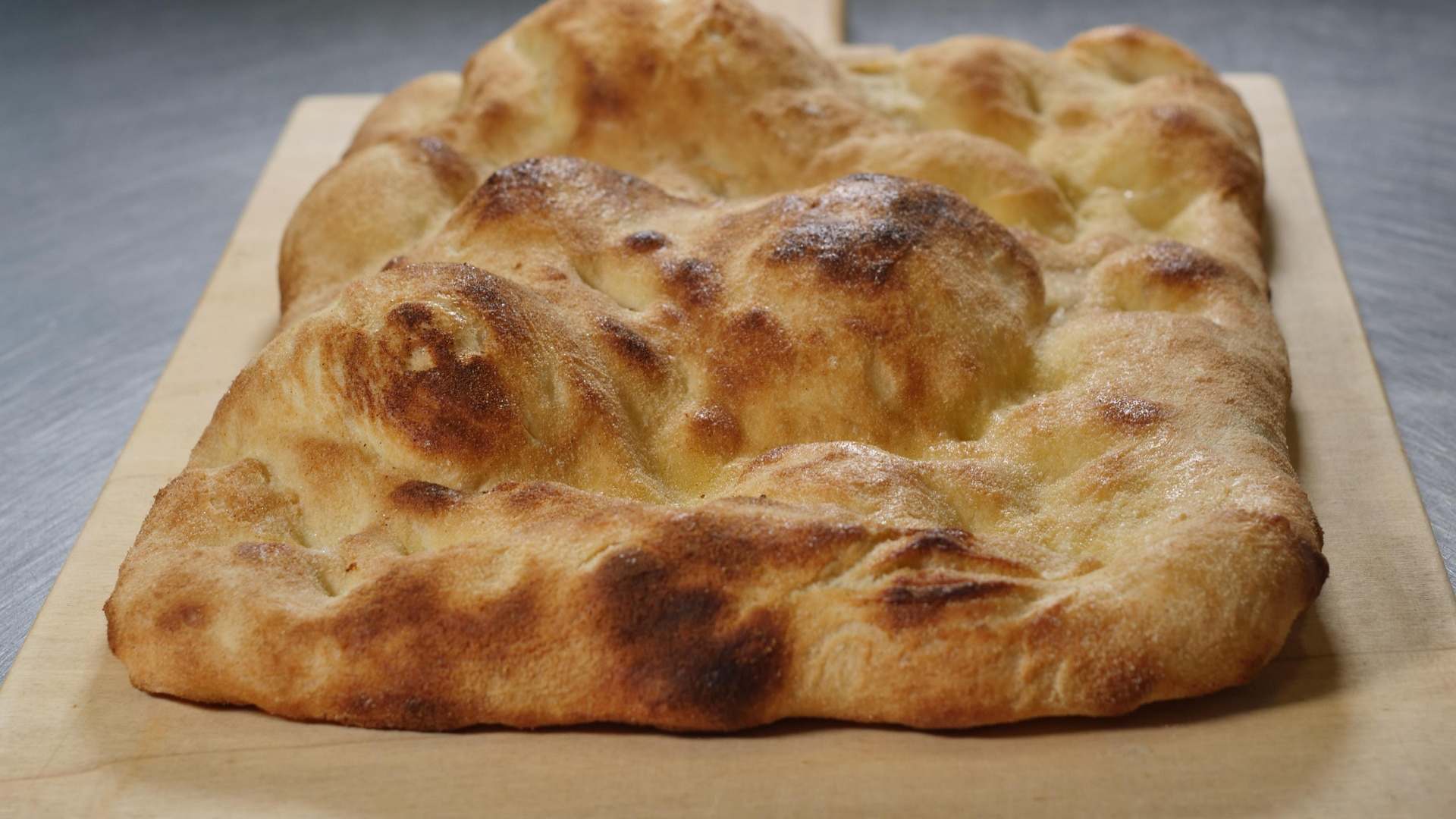
Ever baked a loaf in your automatic bread machine and ended up with a heavy, dense brick? You’re not alone: many home bakers face this issue, and it often comes down to simple mistakes in recipe or machine use. In this post, we’ll uncover why your automatic bread machine makes dense bread and share quick fixes to get light, fluffy results every time.
Why Is Your Bread Machine Loaf So Dense?
Baking bread at home sounds easy with an automatic bread machine. You just add ingredients, press start, and wait for fresh loaves. But often, the result is a loaf that’s heavy and compact. Dense bread lacks that light, airy texture you expect. It sinks in the middle and feels like a brick when you slice it. This issue frustrates many home bakers. Let’s break down the main reasons behind it.
Flour Power
First, consider the flour you use. Bread machines work best with bread flour, which has more protein than all-purpose flour. That protein forms gluten, the network that traps air bubbles during rising. If you use all-purpose flour, the dough won’t hold gas well. The bread loaf might turn out flat and dense.
For example, swap in bread machine flour next time, and watch the loaf rise higher. Many recipes call for this switch to fix the problem.
Yeast Problems
Yeast plays a key role, for the reason that it eats sugar and releases carbon dioxide. This gas makes the dough expand. But if your yeast is old or expired, it won’t activate. The dough rises too little, leading to dense results.
Always check the date on the packet. Test it by mixing a bit with warm water and sugar. If it bubbles after 10 minutes, it’s good. Fresh yeast can turn a failed bake into a success.
Liquid Fixes
Water amount matters a lot. Too much liquid makes the dough sticky and heavy. It weighs down the structure before baking. Too little, and the dough dries out, preventing proper rising.
Measure liquids with a clear cup at eye level. Recipes usually call for exact amounts. Adjust based on humidity: drier air might need a teaspoon more.
Temperamental Temperatures
Temperature affects everything. If your ingredients are too cold, the dough could need more time to chill out, which might slow yeast activity. Although, bread machines do warm up the ingredients to rest and rise the dough. Nevertheless, using ingredients at room temperature will help to jump-start the process.
Sugar And Salt
Salt and sugar balance comes into play. Salt slows yeast to control rising. Too much salt kills the yeast outright. Sugar feeds it, but excess makes the dough too wet.
Stick to recipe ratios: about one teaspoon salt and two tablespoons sugar per loaf. These small tweaks prevent density.
Ingredient Overload
Overloading the machine causes issues as well. If you add too many extras like nuts or seeds, they interrupt gluten formation. The dough can’t trap air evenly.
Limit add-ins to half a cup for a standard loaf. Stir them in at the mix-in beep signal, not during the initial mixing step. Otherwise, get a bread machine with an automatic fruit and nut dispenser to add those extras automatically.
Conclusion
Dense bread in your automatic bread machine often stems from inactive yeast, excess flour, or cool water that stalls the rise. These simple fixes let you bake light, airy loaves with ease and confidence. Try tweaking one change at a time on your next batch, and savor the fresh results.
Image by Lucio Alfonsi from Pixabay.